

Prepaid accounts sit somewhere between cash and a bank account, which is why they can be confusing at first.
They’re often described as budgeting tools, but they’re also used for everyday spending, managing money safely, and controlling costs.
This guide explains what prepaid accounts actually are, how they work in practice, who they tend to suit, and where their limits are.
The aim is to help you decide whether a prepaid account fits your needs, not to push you toward one.
What is a prepaid account?
A prepaid account lets you spend money you’ve already loaded onto it. You’re not borrowing, and you can’t spend more than the balance available.
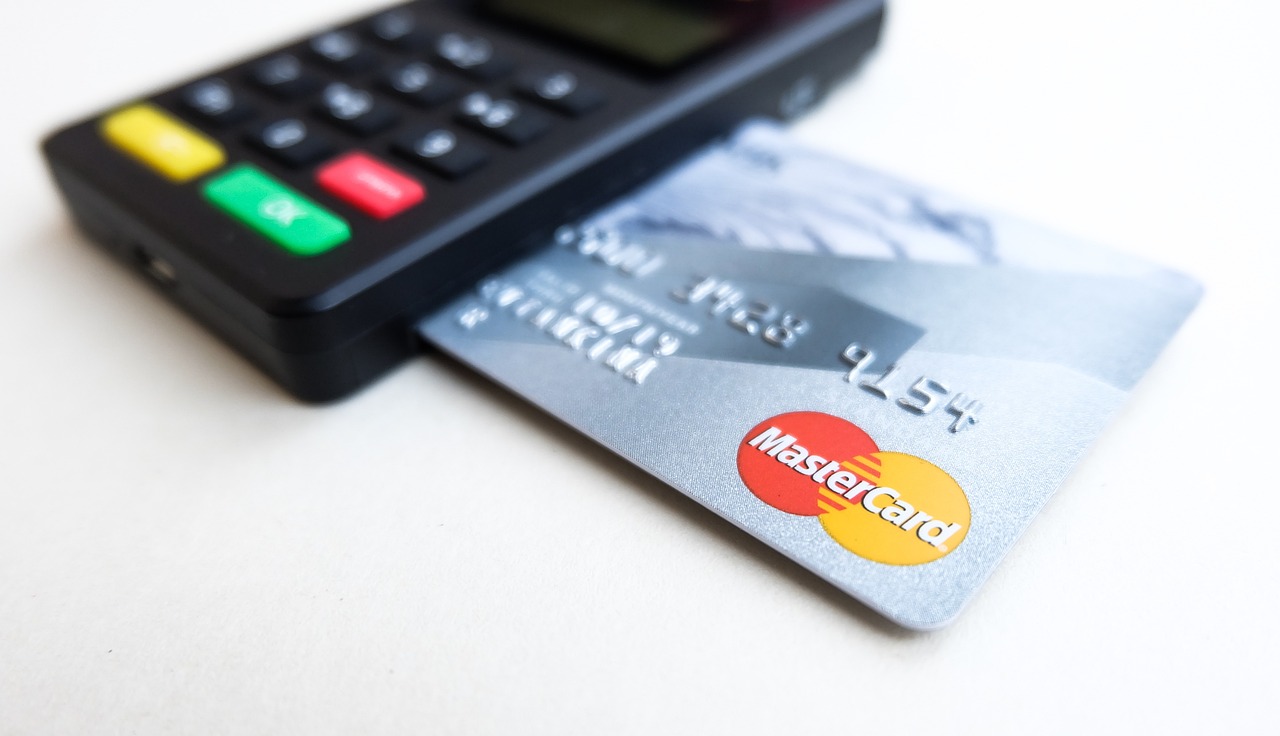
Most prepaid accounts come with a card that works in shops and online, similar to a debit card.
The difference is that the money isn’t held in a traditional current account with overdraft facilities or credit attached.
You top the account up in advance, then spend from that balance until it runs down. When the money’s gone, spending stops unless you add more.
Also read: What is credit utilisation and how can you improve it?
How prepaid accounts work day to day
In everyday use, a prepaid account feels much like a standard card account.
You can usually:
- Pay in shops and online
- Withdraw cash from ATMs
- Check your balance through an app or online
What you can’t do is go overdrawn. That built-in limit is the defining feature.
Spending is capped by what you’ve loaded, which makes costs predictable and easier to control.
Some prepaid accounts allow regular top-ups, while others are used more occasionally for specific purposes.
How prepaid accounts differ from bank accounts
The key difference is control.
A bank account is designed for ongoing money management. It may include overdrafts, direct debits, and wider banking features.
A prepaid account is designed around spending limits and simplicity.
Prepaid accounts usually:
- Don’t offer overdrafts
- Don’t involve credit checks
- Limit spending to available funds
That makes them easier to manage, but also more limited in what they can do.
Why people use prepaid accounts
People choose prepaid accounts for a range of practical reasons.
They’re often used to:
- Manage a set spending budget
- Avoid accidental overspending
- Separate money by purpose
- Control costs for specific situations
Some people find prepaid accounts helpful for managing everyday spending, while others use them only for certain categories, such as groceries, travel, or discretionary spending.
When prepaid accounts can be useful
Prepaid accounts tend to work well when clarity and limits are the priority.
They can be a good fit if you:
- Want to stick to a defined spending amount
- Prefer not to have access to overdrafts
- Are rebuilding financial confidence
- Need a simple way to separate money
Because spending stops automatically when the balance reaches zero, prepaid accounts remove the risk of slipping into debt through everyday purchases.
Limitations of prepaid accounts
Prepaid accounts aren’t designed to replace a full bank account for everyone.
They may be less suitable if you:
- Rely on direct debits for bills
- Need features like overdrafts or cheque payments
- Want one account for all finances
- Require higher transaction limits
Some prepaid accounts also charge fees for certain actions, such as withdrawals or inactivity, which is worth checking carefully.
Are prepaid accounts safe?
Most UK prepaid accounts are regulated and keep customer funds separate from company money.
This means your balance is protected if the provider runs into difficulty.
However, prepaid accounts don’t always come with the same protections as standard bank accounts, so it’s important to understand what safeguards apply and how your money is held.
Checking whether a provider is authorised and how funds are protected helps avoid surprises later.
See also: Talking to your kids about debt
Common misunderstandings about prepaid accounts
One common misunderstanding is that prepaid accounts are only for people with credit problems.
In reality, many people use them simply to organise money better.
Another is assuming they work exactly like bank accounts. They’re designed for control and spending, not for handling every aspect of personal finance.
Understanding what they’re built for helps set realistic expectations.
A simple way to decide if a prepaid account is right for you
A few questions can help clarify whether a prepaid account makes sense.
Ask yourself:
- Do I want clearer limits on spending?
- Am I comfortable topping up money in advance?
- Do I need a full bank account, or just a spending tool?
- Will the fees outweigh the benefits?
If your main goal is predictability and control, a prepaid account may be useful.
If you need flexibility and full banking features, a standard account may suit you better.
Prepaid accounts are tools, not solutions
Prepaid accounts don’t fix budgeting problems on their own. They support habits that are already moving in the right direction.
Used thoughtfully, they can make spending easier to manage and reduce stress around money. Used without clarity, they can feel restrictive or unnecessary.
The key is choosing tools that match how you actually use money, not how you think you should.
When the fit is right, prepaid accounts can quietly do their job without demanding much attention at all.
Prepaid account FAQs
What’s the difference between a prepaid card and a debit card?
A debit card is linked to a bank account, while a prepaid card is pre-loaded and separate from your main finances. Prepaid cards don’t offer overdrafts or direct access to your salary.
Do prepaid accounts affect your credit score?
Most don’t. Some providers offer optional credit builder schemes, but standard prepaid cards don’t report activity to credit reference agencies.
Are prepaid cards safe?
Yes, but they don’t offer Section 75 protection and usually aren’t covered by the Financial Services Compensation Scheme (FSCS). If the provider fails, your money may not be protected.
Can prepaid cards be used for direct debits?
Some allow it, others don’t. If you need to pay bills this way, check the provider’s terms before signing up.
Are there fees with prepaid accounts?
Yes. Common ones include monthly fees, ATM withdrawal fees, loading fees, and inactivity charges. Always read the terms to avoid surprises.
