

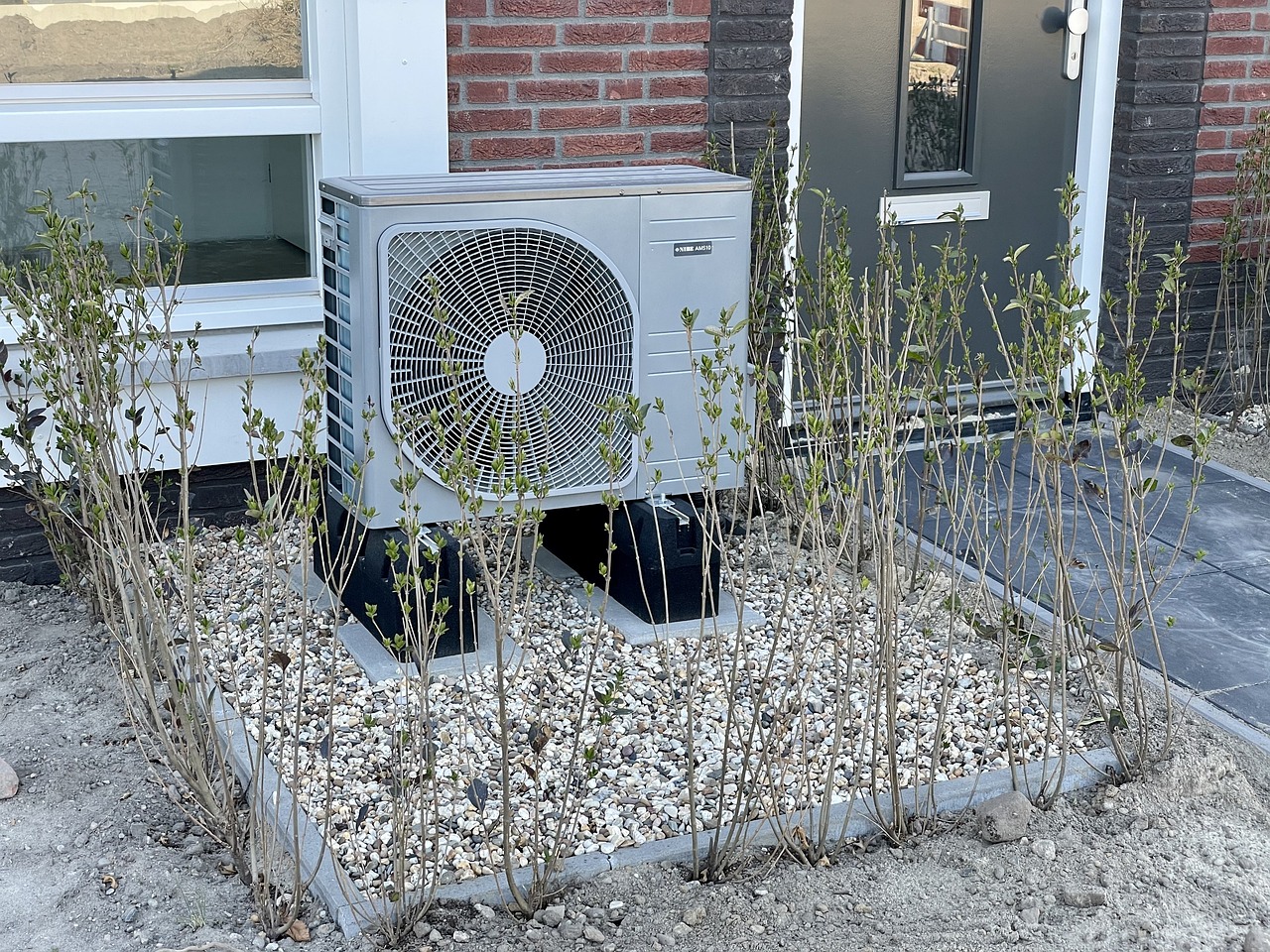
Air source heat pumps are often presented as a future-proof way to heat your home while cutting energy bills.
For some households, that can be true. For others, the savings are smaller, slower, or depend heavily on how the system is installed and used.
This guide explains how air source heat pumps work, where savings can come from, what conditions matter most, and when expectations need to be realistic.
The aim is to help you decide whether a heat pump makes financial sense for your home, not just whether the technology sounds appealing.
How air source heat pumps work
An air source heat pump takes heat from the outside air and uses electricity to concentrate that heat and deliver it into your home.
Even when it’s cold outside, there’s still heat in the air that can be captured and reused.
Instead of generating heat directly, like a gas boiler does, a heat pump moves heat.
This makes it more efficient in theory, because it can produce more heat energy than the electricity it consumes.
That efficiency is measured as a performance ratio, often shown as a number greater than one.
The higher the number, the more heat you get for each unit of electricity used.
Where potential energy bill savings come from
Savings don’t come from cheaper electricity. They come from efficiency.
If a heat pump is running efficiently, it can deliver more heat per unit of energy than a traditional boiler.
In homes that currently rely on oil, LPG, or older electric heating systems, this can significantly reduce running costs.
In homes with modern gas boilers, savings are more variable.
Gas is often cheaper per unit than electricity, so the efficiency of the heat pump has to be high to offset that price difference.
This is why headline savings figures don’t apply equally to every home.
Why insulation and heat demand matter so much
Heat pumps work best in homes that lose heat slowly.
Good insulation, double glazing, and draught reduction all help keep heat inside, which allows the heat pump to run at lower temperatures for longer periods.
This steady operation is where efficiency improves.
Homes that lose heat quickly need higher flow temperatures, which reduces efficiency and increases electricity use. In those cases, savings can shrink or disappear entirely.
This is why many installations recommend improving insulation first.
How heating style affects running costs
Heat pumps are designed for steady, consistent heating rather than short bursts.
They work well with underfloor heating or larger radiators that can deliver warmth at lower temperatures.
They’re less suited to homes where heating is turned on briefly at high temperatures.
Using a heat pump often involves adjusting expectations around how heating feels. Rooms warm more gradually, but stay at a more even temperature throughout the day.
This change in use is part of what affects running costs.
Installation quality makes a bigger difference than technology
Two identical homes can see very different outcomes from heat pumps.
System design, sizing, and installation quality play a huge role in performance.
An undersized system can struggle to heat the home efficiently. An oversized one can cycle inefficiently and waste energy.
Accurate heat loss calculations, correct radiator sizing, and thoughtful setup matter as much as the heat pump itself.
Poor installation can turn a promising system into an expensive disappointment.
Upfront costs and grants need to be part of the calculation
Air source heat pumps have higher upfront costs than most boilers.
Grants and incentives can reduce the initial price significantly, which changes the long-term maths.
However, even with support, it’s important to consider how long it will take for any bill savings to offset the installation cost.
For some households, the financial case is stronger over the long term rather than as a quick saving.
When air source heat pumps tend to make financial sense
Heat pumps are more likely to save money when:
- The home is well insulated
- The current heating system is expensive to run
- Heating demand is steady rather than spiky
- Electricity tariffs are competitive or flexible
In these situations, efficiency gains can outweigh higher electricity prices.
When savings are likely to be limited
Savings are often smaller when:
- The home relies on gas with a modern boiler
- Insulation is poor
- High flow temperatures are needed
- Installation compromises are made
In these cases, the main benefit may be lower emissions rather than lower bills.
Air source heat pumps vs. other heating systems (UK 2026)
| Heating system | Typical annual running cost* | Carbon emissions (tonnes CO₂/year) | Upfront cost | Grants available | Payback / notes |
|---|---|---|---|---|---|
| Gas boiler (modern condensing) | ~£1,200 | ~2.2 | £2,500–£4,000 | None | Widely used, but no new installations after 2025. |
| Oil boiler | ~£1,500 | ~3.2 | £3,000–£5,000 | None | Higher bills, high emissions, common in rural homes. |
| LPG boiler | ~£1,600 | ~3.0 | £3,000–£5,000 | None | Expensive fuel, high carbon footprint. |
| Direct electric heating | ~£1,800 | ~0.9 (if grid electricity) | £1,500–£3,000 | None | Cheapest to install, most expensive to run. |
| Air source heat pump (10kW, with grant) | ~£850 | ~0.7 | £10,000–£14,000 (£4,500–£6,500 after grant) | £7,500 (England/Wales), grants/loans in Scotland | Biggest savings vs oil/LPG/electric. Payback 7–12 years vs gas. |
*Annual costs based on medium-sized, well-insulated UK home using 12,000 kWh heat demand per year. Actual savings vary by insulation, property size, tariff, and usage patterns.
Common misunderstandings about heat pump savings
One common misunderstanding is expecting immediate, dramatic bill reductions.
Savings are usually incremental and depend on usage patterns.
Another is assuming the technology alone guarantees efficiency. In reality, the home and system design matter just as much.
There’s also a tendency to compare heat pumps to idealised boiler performance rather than real-world use, which can distort expectations.
A simple way to assess whether savings are realistic for you
A few questions can help manage your expectations:
- How well insulated is the property?
- What heating system is being replaced?
- How is heating used day to day?
- Will installation be done by an experienced specialist?
Clear answers to these questions usually reveal whether savings are likely to be meaningful.
Pros and cons of air source heat pumps
Pros:
- Lower carbon footprint (can save ~10 tonnes of CO2 over 10 years)
- Grants reduce upfront costs significantly
- Long lifespan (20–25 years)
- Low maintenance compared to boilers
- Big savings if replacing electric, LPG, or oil heating
- Works well with solar panels for near-free heating
Cons:
- High upfront cost even after grants
- May need radiator/cylinder upgrades
- Lower efficiency in very cold weather
- Slower to heat a home than a gas boiler
- Savings depend on electricity tariffs
Compare with my guide to solar panels and energy savings.
Case study: Semi-detached home with gas boiler
- Current gas heating costs: £1,200/year
- Installed 10kW air source heat pump: £12,000 (£4,500 after Boiler Upgrade Scheme)
- Annual running cost: £850 (heat pump tariff)
- Annual savings: £350
- Payback: ~9 years
- Lifetime savings (20 years): ~£2,500 plus lower carbon footprint
Heat pumps can reduce bills, but context matters
Air source heat pumps can save money on energy bills, but they’re not a universal solution.
The technology is efficient, but efficiency only translates into savings under the right conditions.
When the home, system design, and usage all align, heat pumps can deliver steady heating with lower long-term costs.
When they don’t, the benefits may be environmental rather than financial.
The most reliable way to decide is to look beyond headlines and focus on how your home actually uses energy. That’s where the real answer usually becomes clear.
Air source heat pump FAQs
How much does it cost to run a heat pump compared to a gas boiler?
Heat pumps are around 3x more efficient than boilers, but electricity is pricier than gas. If you’re on the right tariff, they can be cheaper to run. Replacing oil or LPG nearly always saves money; replacing a gas boiler often results in modest savings.
What government grants are available in 2025?
The Boiler Upgrade Scheme offers up to £7,500 in England and Wales. Scotland provides grants and loans through Home Energy Scotland. 0% VAT is available on installations, and some councils offer extra support.
How long does a heat pump last?
A well-maintained air source heat pump lasts 20–25 years, longer than a typical gas boiler. The outdoor unit may need occasional servicing, and the compressor typically lasts 15+ years.
Do air source heat pumps work in older homes?
Yes, but they may require upgrades: better insulation, larger radiators, or a hot water cylinder. Without these, efficiency drops and savings may be limited. A home survey will determine suitability.
Are heat pumps noisy?
Modern units are relatively quiet (comparable to a fridge). They make a gentle hum during operation. Positioning the outdoor unit away from bedrooms or neighbours avoids issues.
