
Close Menu
Saving Superstar
    What's Hot

    How to use a credit-builder credit card for best results

    May 13, 2026

    How much money do you realistically need to retire in the UK?

    May 6, 2026

    Top tips to increase your mortgage eligibility

    April 29, 2026

    How to protect your savings from tax rises and inflation

    April 27, 2026

    The advantages of paying off your mortgage early

    April 22, 2026

    Subscribe to Updates

    Get the latest creative news from FooBar about art, design and business.

    What's Hot

    How to use a credit-builder credit card for best results

    May 13, 2026

    How much money do you realistically need to retire in the UK?

    May 6, 2026

    Top tips to increase your mortgage eligibility

    April 29, 2026
    Facebook X (Twitter) Instagram
    Saving SuperstarSaving Superstar
    Facebook X (Twitter)
    • Home
    • Budgeting

      How to figure out where your money goes each month

      April 8, 2026

      Understanding your wants and needs

      April 1, 2026

      How to achieve ambitious financial goals without giving up everything you enjoy

      March 4, 2026

      Budget meal planning 101: Simple ways to eat well without spending a fortune

      February 4, 2026

      New Year financial detox: Reset your budget in 7 practical steps

      January 14, 2026
    • General finance

      How to start your own business

      March 25, 2026

      How to talk to your kids about money without making it stressful

      February 25, 2026

      How to use AI tools to manage your finances

      February 16, 2026

      How to financially prepare for a job loss before it happens

      February 2, 2026

      How to earn money online without getting scammed

      January 28, 2026
    • Housing
    • Credit & debt
    • Bills and utilities
    • Saving and Investments

      How much money do you realistically need to retire in the UK?

      May 6, 2026

      How to protect your savings from tax rises and inflation

      April 27, 2026

      Saving vs. investing: Understanding the difference and which is right for you

      April 6, 2026

      What is cash stuffing and how does it work as a savings technique?

      March 23, 2026

      Take control of your future: A guide to automating your savings

      March 18, 2026
    • Seasonal savings

      New Year financial detox: Reset your budget in 7 practical steps

      January 14, 2026

      Budget-friendly ways to refresh your home for the New Year

      January 12, 2026

      Money-saving resolutions and how to stick to them

      January 7, 2026

      No-spend January with practical tips for survival

      January 5, 2026

      Christmas staycations: Celebrate at home without missing out

      December 24, 2025
    • Contact
    Saving Superstar
    Home»General finance»How to bleed your radiators: A step-by-step guide
    General finance

    How to bleed your radiators: A step-by-step guide

    JamieBy JamieMay 7, 2025Updated:January 19, 20264 Mins Read
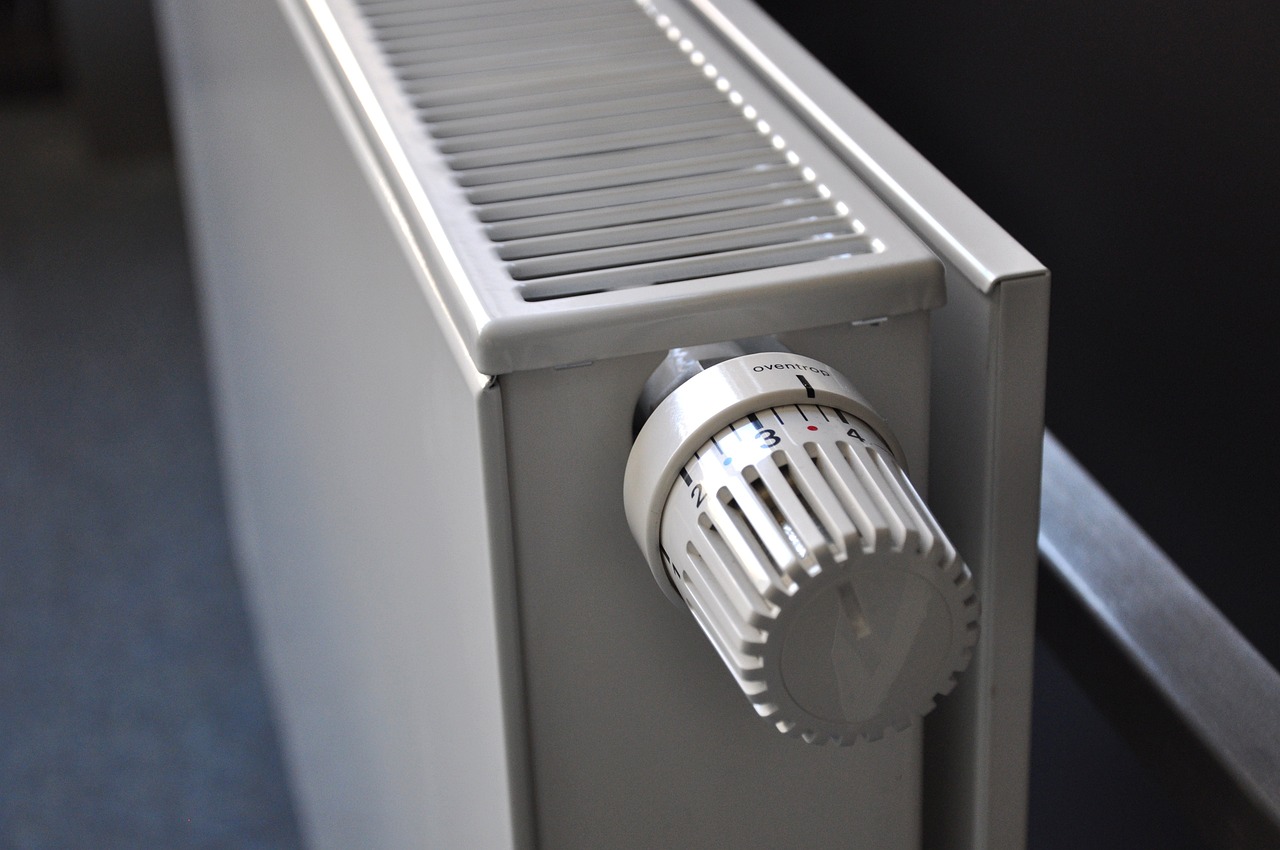
    How to bleed your radiators
    Share
    Email Facebook Twitter LinkedIn

    If your radiators are cold at the top, slow to heat up, or your heating feels uneven, trapped air is often the cause.

    Bleeding your radiators is one of the simplest home maintenance jobs you can do and can improve heating performance without calling an engineer.

    This guide explains when bleeding radiators helps, when it doesn’t, and exactly how to do it safely.

    While efficiency is great, it’s lowering bills that we’re all interested in, so here’s how to do it safely and effectively.

    How to tell if your radiators need bleeding

    Not every heating issue is caused by trapped air, so it’s worth checking the signs first.

    Radiators may need bleeding if:

    • The top of the radiator feels cold while the bottom is warm
    • Some radiators heat up much slower than others
    • You hear gurgling or bubbling noises
    • Your heating system feels less efficient than usual

    If a radiator is cold at the bottom rather than the top, bleeding won’t help. That usually points to sludge buildup or a circulation issue.

    What bleeding a radiator actually does

    Over time, air can enter your heating system and become trapped inside radiators.

    Because air rises, it collects at the top, stopping hot water from filling the radiator fully.

    Bleeding releases that trapped air so hot water can circulate properly again. This helps radiators heat evenly and allows your boiler to work more efficiently.

    It’s a small job, but it can make a noticeable difference to comfort and running costs.

    What you’ll need before you start

    Most radiators can be bled using:

    • A radiator key, available cheaply from hardware shops
    • A cloth or small towel
    • A shallow container to catch drips

    Make sure you know where your boiler pressure gauge is, especially if you have a combi boiler, as pressure may need topping up afterwards.

    Step by step: How to bleed your radiators safely

    Start by turning your heating off and letting the system cool. Bleeding radiators while the system is hot can release hot water under pressure.

    Begin with the radiator closest to the boiler and work your way through the house, finishing with the furthest one.

    Insert the radiator key into the bleed valve, usually located at the top corner.

    Turn it slowly anti-clockwise. You should hear a hissing sound as air escapes.

    Hold a cloth or container underneath to catch any water.

    When the hissing stops and a steady stream of water appears, close the valve by turning it clockwise. Don’t overtighten it.

    Repeat this process for each radiator.

    What to do after bleeding all radiators

    Once all radiators are bled, turn your heating back on and check how they warm up.

    If you have a combi boiler, check the pressure gauge. Bleeding releases pressure from the system, so it may now be too low.

    Most systems work best around 1 to 1.5 bar when cold.

    If pressure is low, top it up using the filling loop according to your boiler’s instructions. If you’re unsure, check the manual or manufacturer’s website.

    Common mistakes to avoid

    Bleeding radiators is straightforward, but a few mistakes can cause problems.

    Avoid:

    • Bleeding radiators while the heating is on
    • Opening the valve too quickly
    • Forgetting to check boiler pressure afterwards (combi)
    • Trying to fix cold radiators caused by sludge using bleeding alone

    Taking your time reduces the risk of leaks or pressure issues.

    When bleeding radiators won’t fix the problem

    If radiators stay cold after bleeding, the issue may be elsewhere.

    Possible causes include:

    • Sludge buildup inside radiators
    • A faulty radiator valve
    • Balancing issues in the heating system
    • Boiler or pump problems

    In these cases, further maintenance or professional help may be needed. Bleeding is a good first step, but it isn’t a cure-all.

    How often should you bleed your radiators?

    Most homes only need to bleed radiators once a year, often before winter when the heating is used more heavily.

    If you find yourself needing to bleed radiators frequently, it could indicate a deeper issue, such as air entering the system repeatedly.

    That’s worth investigating rather than repeatedly releasing air.

    A simple way to keep your heating running efficiently

    Bleeding your radiators is one of the easiest ways to improve heating performance and comfort.

    It costs nothing, takes little time, and helps your system work as intended.

    Knowing when it’s the right fix and when it isn’t saves frustration and avoids unnecessary call-outs.

    With a little confidence and care, it’s a task most households can handle themselves.

    heating save money
    Jamie
    • Website
    • Facebook

    I'm a writer and editor at Coastal Content and Brainstorm Force with a background in IT and networks. I'm passionate about helping people take more control of their lives, especially finance.I'm a copywriter by training, which is why my posts are all no-nonsense and to the point, with little fluff or filler. We're all busy people and are just looking for the information we need quickly. That's my style and the style of Saving Superstar.

    Related Posts

    How to protect your savings from tax rises and inflation

    April 27, 2026

    Saving vs. investing: Understanding the difference and which is right for you

    April 6, 2026

    How to start your own business

    March 25, 2026

    What is cash stuffing and how does it work as a savings technique?

    March 23, 2026

    How to talk to your kids about money without making it stressful

    February 25, 2026

    How to use AI tools to manage your finances

    February 16, 2026
    Add A Comment
    Leave A Reply Cancel Reply

    You must be logged in to post a comment.

    Don't Miss
    Credit and debt

    How to use a credit-builder credit card for best results

    May 13, 2026

    Are you looking to take control of your financial future and build a strong credit…

    How much money do you realistically need to retire in the UK?

    May 6, 2026

    Top tips to increase your mortgage eligibility

    April 29, 2026

    How to protect your savings from tax rises and inflation

    April 27, 2026
    Stay In Touch
    • Facebook
    • Twitter
    • LinkedIn
    Links
    • About us
    • Write for Saving Superstar
    • Privacy Policy
    • Disclaimer and affiliate information
    Categories
    • Bills and utilities
    • Budgeting
    • Credit and debt
    • General finance
    • Mortgages and housing
    • Saving and Investments
    • Seasonal savings
    Latest News
    • How to use a credit-builder credit card for best results
    • How much money do you realistically need to retire in the UK?
    • Top tips to increase your mortgage eligibility
    • How to protect your savings from tax rises and inflation

    Type above and press Enter to search. Press Esc to cancel.

    Last Updated on January 19, 2026 by Jamie Kavanagh