

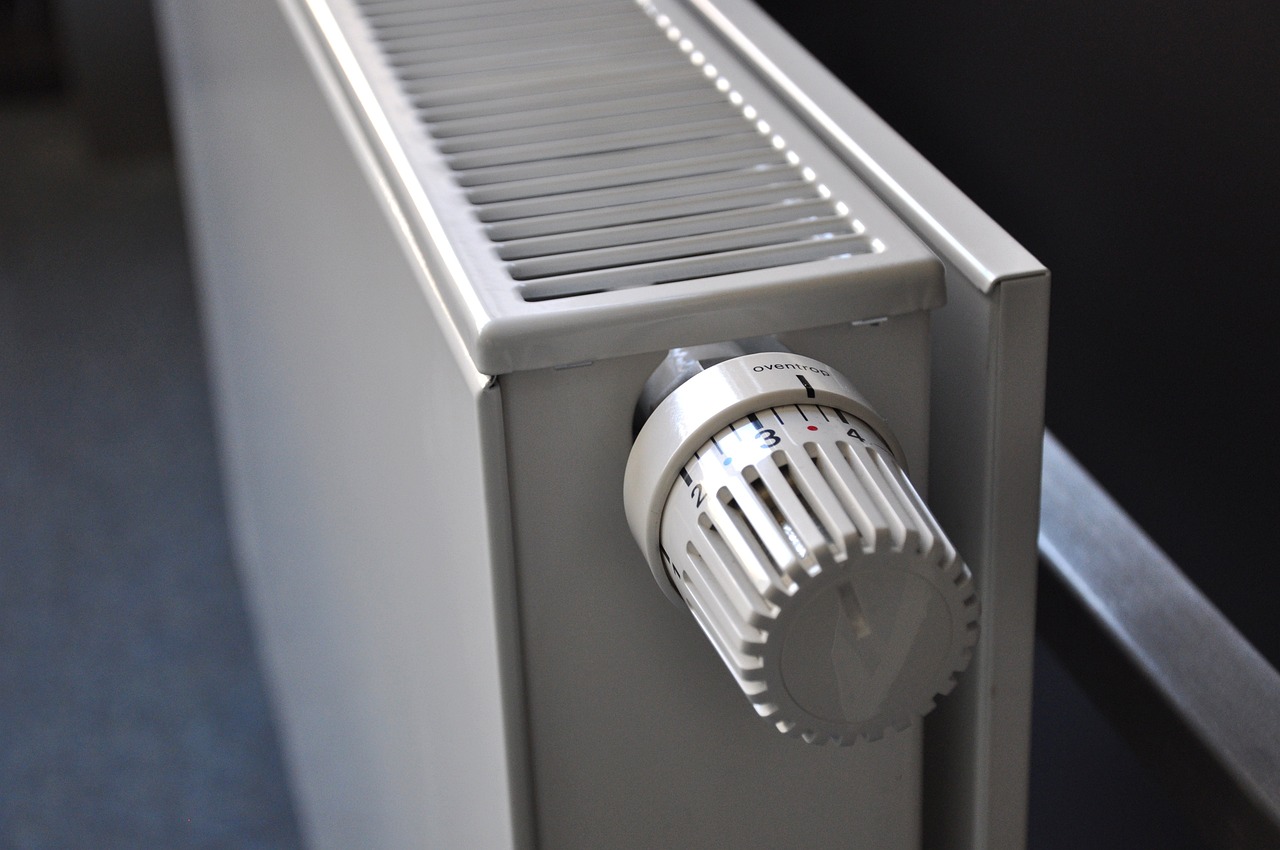
If your radiators are cold at the top, slow to heat up, or your heating feels uneven, trapped air is often the cause.
Bleeding your radiators is one of the simplest home maintenance jobs you can do and can improve heating performance without calling an engineer.
This guide explains when bleeding radiators helps, when it doesn’t, and exactly how to do it safely.
While efficiency is great, it’s lowering bills that we’re all interested in, so here’s how to do it safely and effectively.
How to tell if your radiators need bleeding
Not every heating issue is caused by trapped air, so it’s worth checking the signs first.
Radiators may need bleeding if:
- The top of the radiator feels cold while the bottom is warm
- Some radiators heat up much slower than others
- You hear gurgling or bubbling noises
- Your heating system feels less efficient than usual
If a radiator is cold at the bottom rather than the top, bleeding won’t help. That usually points to sludge buildup or a circulation issue.
What bleeding a radiator actually does
Over time, air can enter your heating system and become trapped inside radiators.
Because air rises, it collects at the top, stopping hot water from filling the radiator fully.
Bleeding releases that trapped air so hot water can circulate properly again. This helps radiators heat evenly and allows your boiler to work more efficiently.
It’s a small job, but it can make a noticeable difference to comfort and running costs.
What you’ll need before you start
Most radiators can be bled using:
- A radiator key, available cheaply from hardware shops
- A cloth or small towel
- A shallow container to catch drips
Make sure you know where your boiler pressure gauge is, especially if you have a combi boiler, as pressure may need topping up afterwards.
Step by step: How to bleed your radiators safely
Start by turning your heating off and letting the system cool. Bleeding radiators while the system is hot can release hot water under pressure.
Begin with the radiator closest to the boiler and work your way through the house, finishing with the furthest one.
Insert the radiator key into the bleed valve, usually located at the top corner.
Turn it slowly anti-clockwise. You should hear a hissing sound as air escapes.
Hold a cloth or container underneath to catch any water.
When the hissing stops and a steady stream of water appears, close the valve by turning it clockwise. Don’t overtighten it.
Repeat this process for each radiator.
What to do after bleeding all radiators
Once all radiators are bled, turn your heating back on and check how they warm up.
If you have a combi boiler, check the pressure gauge. Bleeding releases pressure from the system, so it may now be too low.
Most systems work best around 1 to 1.5 bar when cold.
If pressure is low, top it up using the filling loop according to your boiler’s instructions. If you’re unsure, check the manual or manufacturer’s website.
Common mistakes to avoid
Bleeding radiators is straightforward, but a few mistakes can cause problems.
Avoid:
- Bleeding radiators while the heating is on
- Opening the valve too quickly
- Forgetting to check boiler pressure afterwards (combi)
- Trying to fix cold radiators caused by sludge using bleeding alone
Taking your time reduces the risk of leaks or pressure issues.
When bleeding radiators won’t fix the problem
If radiators stay cold after bleeding, the issue may be elsewhere.
Possible causes include:
- Sludge buildup inside radiators
- A faulty radiator valve
- Balancing issues in the heating system
- Boiler or pump problems
In these cases, further maintenance or professional help may be needed. Bleeding is a good first step, but it isn’t a cure-all.
How often should you bleed your radiators?
Most homes only need to bleed radiators once a year, often before winter when the heating is used more heavily.
If you find yourself needing to bleed radiators frequently, it could indicate a deeper issue, such as air entering the system repeatedly.
That’s worth investigating rather than repeatedly releasing air.
A simple way to keep your heating running efficiently
Bleeding your radiators is one of the easiest ways to improve heating performance and comfort.
It costs nothing, takes little time, and helps your system work as intended.
Knowing when it’s the right fix and when it isn’t saves frustration and avoids unnecessary call-outs.
With a little confidence and care, it’s a task most households can handle themselves.
