
With the cost of living still high in 2025, millions of households are finding it difficult to cover essential bills.
Energy, rent, council tax, and everyday expenses can quickly overwhelm a budget.
If this sounds familiar, you’re not alone, and there is help. Acting quickly and knowing what support is available can stop things spiralling into debt problems.
Step 1: Don’t ignore the problem
The worst thing you can do is ignore bills or creditor letters. Open every letter, check your emails, and keep records.
Acting early means you’ll have more options, from affordable payment plans to grants and benefits.
Step 2: Talk to the people you owe money to
Contact your suppliers, bank, or landlord straight away:
- Energy suppliers must consider payment plans and hardship funds. Some, like Octopus Assist, offer tailored support.
- Water companies run hardship funds and discounted tariffs.
- Councils can arrange payment plans for council tax arrears.
- Landlords and mortgage lenders are required to consider repayment plans before escalating action.
Step 3: Check what benefits or financial support you’re entitled to
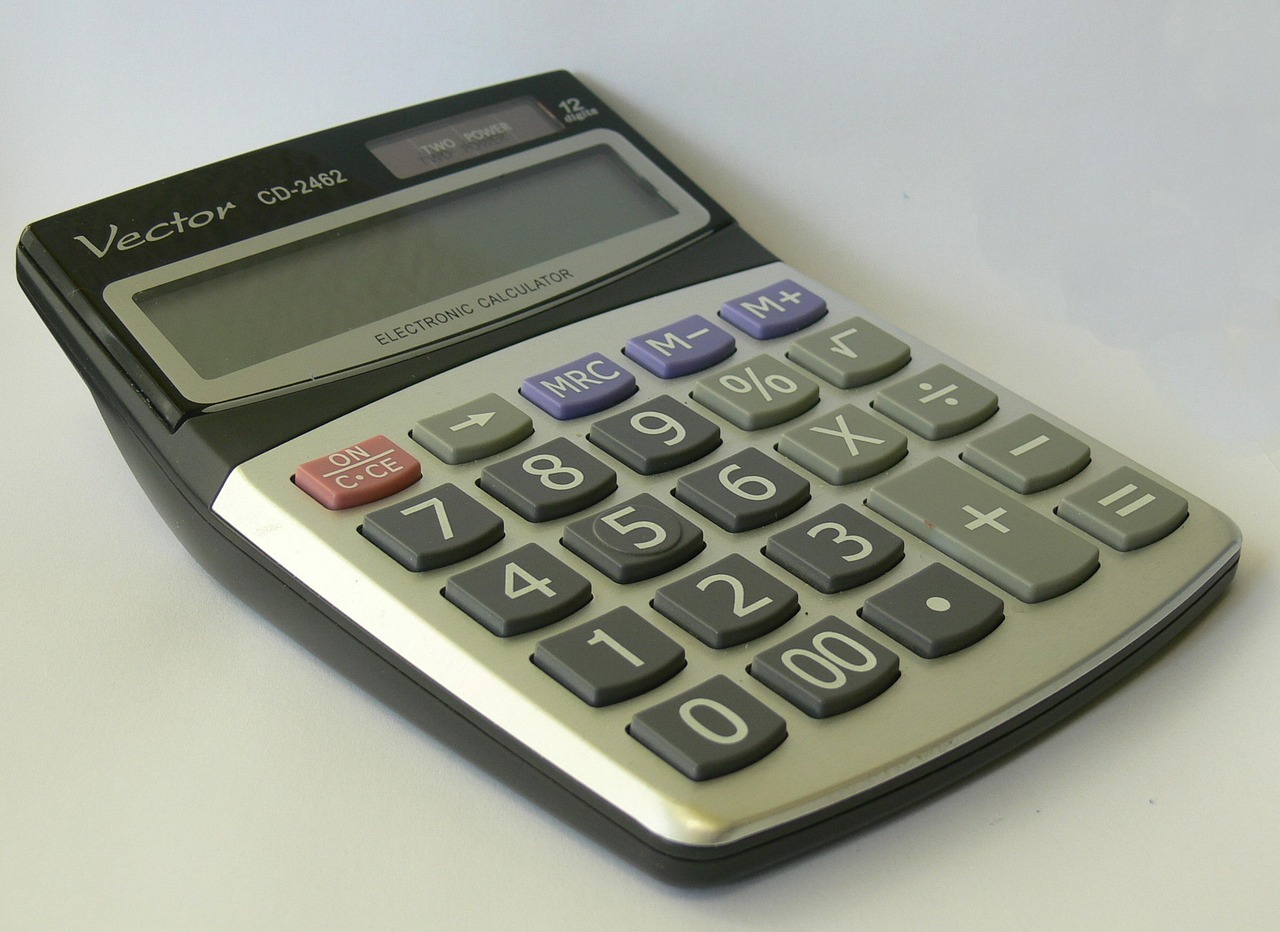
Many households miss out on help because they don’t know it exists. Use benefit calculators such as Turn2Us or MoneyHelper to see what you could claim.
Schemes that may help include:
- Universal Credit or Pension Credit (depending on income/age)
- Council Tax Reduction schemes run by local councils
- Warm Home Discount (£150 credit) on electricity bills if eligible
- Discretionary Housing Payments if housing benefit or Universal Credit doesn’t cover rent
- Household Support Fund (via local councils) for emergency essentials
Step 4: Get free debt advice
Debt charities offer confidential, free support:
- StepChange (stepchange.org)
- Citizens Advice (citizensadvice.org.uk)
- National Debtline (nationaldebtline.org)
Advisers can:
- Help you prioritise essential bills (rent, council tax, utilities)
- Negotiate with creditors
- Explore formal solutions such as an IVA, Debt Relief Order (DRO), or bankruptcy if needed
Step 5: Review your budget and cut costs
- Create a budget listing income, essential costs, and non-essentials.
- Cancel or downgrade subscriptions you don’t use.
- Switch tariffs for broadband, mobile, or insurance.
- Reduce energy use, turn appliances off at the wall, fit draught excluders, and check eligibility for free insulation schemes.
- Shop smarter: Use supermarket loyalty cards and compare own-brand vs premium products.
See also: 10 proven tips for saving money on groceries.
Step 6: Seek emergency help if needed
If you cannot afford essentials like food, heating, or rent:
- Foodbanks can provide short-term support (referral needed via Citizens Advice or GP).
- Local Welfare Assistance Schemes run by councils provide emergency vouchers or grants.
- Charity grants: Turn2Us has a searchable grants database.
Step 7: Look after your wellbeing
Money worries can take a toll on your mental health. Reach out to family or friends, and consider professional support if stress feels overwhelming.
Charities like Mind and Samaritans provide free, confidential help.
Quick tips to lower your bills
- Review bills regularly and compare providers.
- Use government schemes for energy or council tax discounts.
- Switch off unused appliances and use energy-efficient bulbs.
- Track spending daily with a budgeting app.
- Set small, realistic savings goals to stay motivated.
Final word
Struggling to pay bills is stressful, but help is out there.
By contacting providers early, checking your entitlements, and getting free debt advice, you can take back control before things get worse.
Struggling to pay bills FAQs
What should I do first if I can’t pay my bills?
Prioritise essential bills (rent, mortgage, council tax, utilities) and contact providers immediately. Ask about payment plans or hardship funds. Seek free debt advice if you’re unsure how to prioritise.
Can my energy supplier cut me off if I can’t pay?
Suppliers must follow strict rules. Disconnection is rare and only considered after all other options, like payment plans or prepayment meters, have been explored. Vulnerable households have extra protections.
Is there government help for energy bills in 2025?
Yes. The Warm Home Discount gives £150 off electricity bills for eligible households. You may also qualify for energy efficiency grants through schemes like ECO+ or local council programmes.
What happens if I miss a council tax payment?
The council can issue a reminder, and if you don’t pay, they may demand the full year’s balance. Non-payment can lead to enforcement or court action. Contact your council early, they can usually set up a payment plan or offer Council Tax Reduction.
Should I borrow money to cover bills?
Be very cautious. Using credit can make problems worse if you can’t repay. Explore all other support options first, benefits, grants, and payment plans. If you must borrow, consider low-cost credit unions rather than payday lenders.
