

Being on the electoral register isn’t just about having the right to vote or receiving political leaflets.
It also plays a role in your financial life, affecting everything from credit applications to proving your identity.
If you’re unsure whether you’re registered, here’s a complete guide to checking, updating your details, and understanding why it matters.
What is the electoral register?
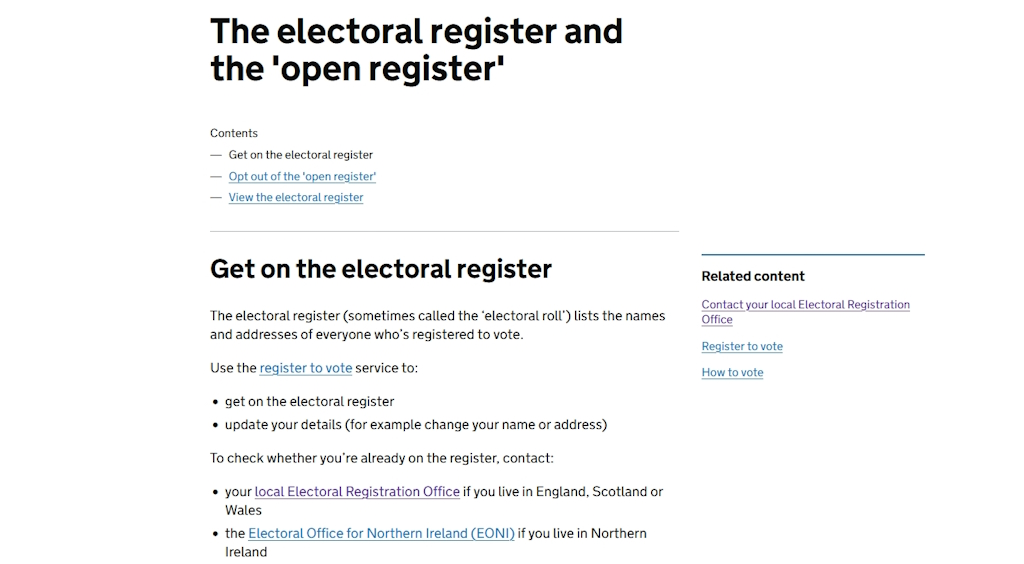
The electoral register is the official list of names and addresses of everyone eligible to vote in the UK. It’s maintained by local councils and updated regularly.
There are two versions:
- Open register: A smaller version that can be sold to businesses and organisations. It’s often used for marketing. You can choose to opt out of this version if you prefer.
- Full register: Used for elections, jury service selection, credit reference checks, and some government functions. You cannot opt out of this version.
Why being on the register matters
Being on the electoral register isn’t optional, it’s a legal requirement if you’re eligible to vote.
But beyond the law, it also affects your day-to-day life:
- Voting: You cannot vote in UK elections if you’re not registered.
- Credit checks: Lenders, mobile phone providers, and landlords often check the register to confirm your address. Not being on it may mean you’re offered less favourable rates.
- Proof of identity: Councils, banks, and government services may use the register to confirm who you are.
- Jury service: The register is one of the sources used to select jurors.
Am I eligible to register?
You can register if you are:
- Aged 16 or over (but you must be 18 to vote in most elections).
- A British citizen.
- An Irish, EU or Commonwealth citizen with the right to live in the UK.
Special cases
- Students: You can register at both your home and term-time address, though you can only vote once in each election.
- Overseas voters: British citizens abroad can register as overseas voters. Registration must be renewed (usually every three years).
- Homeless or no fixed address: You can still register using a “declaration of local connection.”
- Anonymous electors: If you need to protect your identity (for safety reasons), you can register anonymously.
How to check if you’re on the electoral register
There’s no single national database you can search, but it’s straightforward to check:
- England, Scotland, Wales: Contact your local Electoral Registration Office (ERO). You can find it by entering your postcode on the GOV.UK website.
- Northern Ireland: Contact the Electoral Office for Northern Ireland (EONI).
You’ll need to provide your name, address, and possibly some ID details. Your local office will confirm if you’re registered at your current address.
What to do if you’re not registered
If you’re not on the register, don’t panic, you can apply online in just a few minutes through the Register to vote service.
You’ll need:
- Your name, date of birth, and address.
- Your National Insurance number (if you have one).
- Some form of identification if required by your local office.
You can also register by post if you prefer paper forms.
Updating your details
If you move house, change your name, or become newly eligible to vote, you’ll need to update your registration.
This isn’t automatic, even if you pay council tax or update your driving licence.
- Updates are processed monthly outside of election periods.
- During election times, there are strict deadlines for changes, usually a few weeks before polling day.
Opting out of the open register
If you’d rather your details weren’t available for marketing purposes, you can opt out of the open register. This won’t affect your right to vote or your credit applications.
You can opt out when you first register or later by contacting your local Electoral Registration Office.
Special situations to know about
- Overseas voters: You may need to renew your registration more frequently and arrange a postal or proxy vote.
- Students: Register at both addresses if you split your time, but only vote once.
- Anonymous registration: Requires evidence, such as a court order or attestation from a senior officer, but protects those at risk.
Key dates and deadlines
- The register is updated monthly, but changes must be made before election deadlines.
- Annual canvass letters are sent out every summer or autumn, asking households to confirm who lives at the property.
How long does it take for changes to show?
Most updates take 2–4 weeks, depending on when in the update cycle you apply. If you register close to an election deadline, it may take longer, so it’s best to register as early as possible.
Being on the electoral register
Being on the electoral register is essential, not only for your democratic rights but also for your financial life.
Take five minutes to check your status today. If you’ve moved recently, changed your name, or aren’t sure if you’re registered, visit GOV.UK Register to vote and confirm.
Electoral register FAQs
1. How do I know if I’m registered to vote?
Contact your local Electoral Registration Office or check through GOV.UK using your postcode. They’ll confirm your status.
2. Will being on the electoral register improve my credit score?
Yes, in most cases. Credit reference agencies use the register to confirm your identity. Being registered can improve your creditworthiness, though it won’t fix a poor credit history by itself.
3. Can I be fined for not registering?
Yes. Failing to register when asked by your local council can result in a fine of up to £1,000.
4. How do I remove my details from the open register?
You can opt out online or by contacting your local Electoral Registration Office. This won’t affect your ability to vote.
5. Can I still vote if I register close to an election?
Yes, but only if you register before the deadline (usually about two weeks before polling day). If you miss it, you won’t be able to vote in that election.
