

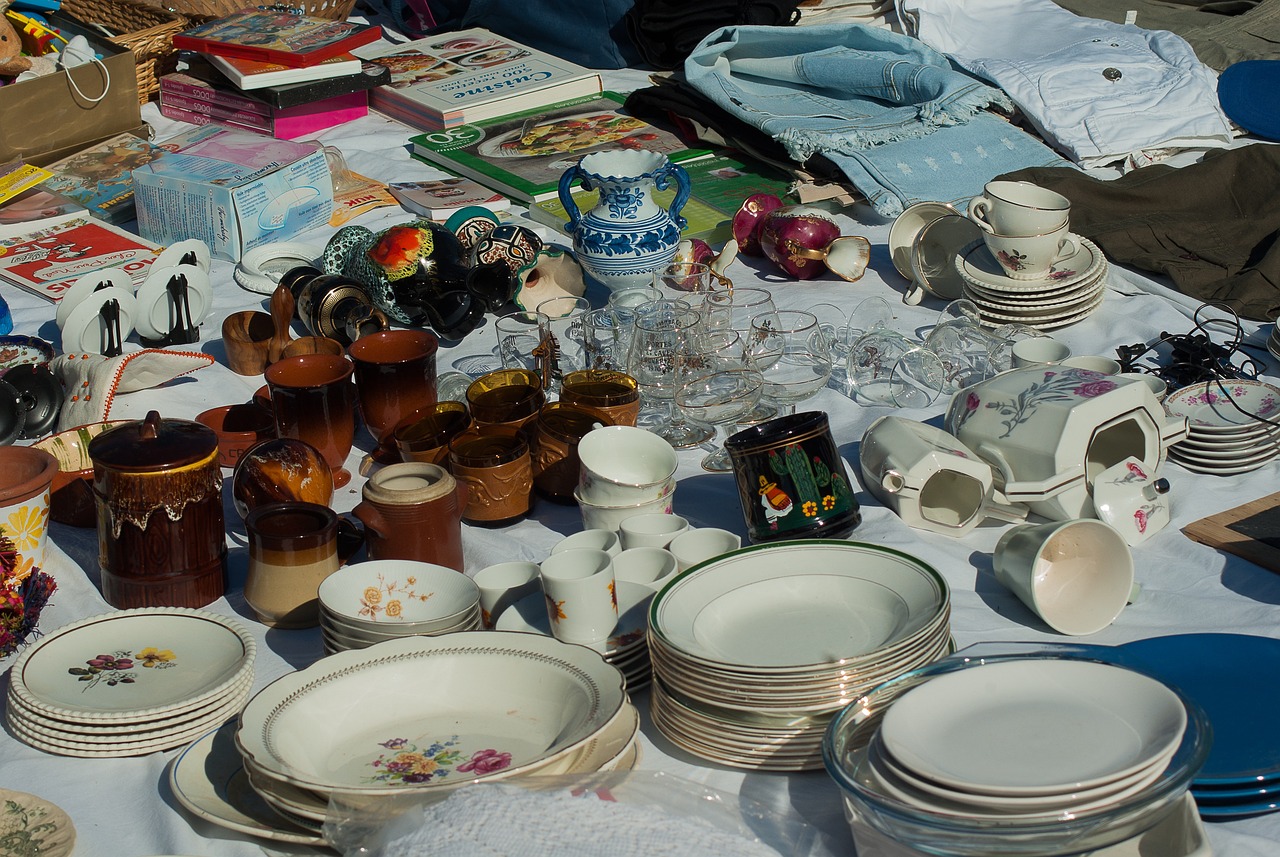
A car boot sale sounds simple. Turn up, lay out your stuff, sell a few bits, go home with some cash.
In reality, plenty of people spend hours standing around, barely sell anything, and wonder if it was worth the effort.
The difference usually isn’t luck. It’s preparation, pricing, and understanding how people actually buy at car boot sales.
This guide focuses on helping you make decent money without overthinking it or turning the day into hard work.
How to make a car boot sale worth your time
Before you do anything else, be honest about your goal.
If you want top prices, a car boot sale probably isn’t the right channel. You may be better off using eBay or Facebook Marketplace.
If you want to clear clutter and turn unwanted items into quick cash, it can work very well.
Car boot sales reward speed, simplicity, and flexibility.
Step one: decide if a car boot sale suits what you’re selling
Car boot sales work best for:
- Clothes, especially children’s items
- Toys, books and games
- Household items
- Small electricals in working order
They’re less effective for:
- Specialist collectibles
- High-value electronics
- Items needing detailed explanation
If something needs convincing, it usually sells better online.
Get ready before the day, not in the car park
Preparation makes a bigger difference than most people expect.
Before the day:
- Clean items quickly, but don’t overdo it
- Group similar items together
- Decide rough prices in advance
- Bring plenty of change and carrier bags
The more organised you are, the easier it is to focus on selling.
Pricing that sells, not pricing that sits
Car boot buyers expect bargains. Pricing too high is the fastest way to kill interest.
A simple rule works well:
- Price items slightly lower than you’re comfortable with
- Leave room for small negotiation
- Accept that volume beats perfection
If you’re emotionally attached to an item, it’s probably better kept at home.
How to lay out your stall so people stop and browse
You don’t need a perfect display, but you do need visibility.
Put:
- Eye-catching items at the front
- Smaller items on tables
- Boxes clearly labelled if possible
If people can see what you’re selling without asking, they’re more likely to stop.
How to sell without hovering or underselling
The best approach is friendly but relaxed.
Let people browse. Answer questions simply. Avoid talking prices down before anyone asks.
If someone hesitates, a small bundle deal often works better than cutting a single price.
The best time to sell and when to drop prices
Early on, buyers are browsing. Mid-morning is usually the strongest selling window.
As the end approaches:
- Reduce prices on bulky items
- Bundle remaining stock
- Decide what you’re willing to take rather than pack away
Holding out too long often means going home with everything.
What to do with items that don’t sell
Have a plan before you arrive.
Options include:
- Charity donation
- Recycling centres
- Relisting higher-value items online
Knowing your exit plan makes price drops easier on the day.
How much money can you realistically expect to make?
This depends on what you bring and how busy the sale is.
Many sellers make between £50 and £150 from a decent clear-out. Some make more, but it’s best seen as a bonus rather than guaranteed income.
If you clear space and make some cash, it’s usually a win.
Final thoughts: Keep it simple and keep moving
A successful car boot sale isn’t about perfection. It’s about momentum.
Price to sell, stay flexible, and don’t overthink small decisions. The quicker items move, the better the day usually goes.
If you treat it as a clear-out rather than a business venture, you’re far more likely to leave feeling it was worth it.
Selling at car boot sale FAQs
1. Do I need a licence or permission to sell at a car boot sale?
Most organised car boot sales are covered by the organiser’s licence, so you won’t need your own. Always check with the event before attending.
2. Can I accept card payments at a car boot sale?
Yes. With mobile card readers like SumUp or Zettle, you can accept contactless payments. Alternatively, some sellers use bank transfers or PayPal for larger purchases.
3. What sells best at UK car boot sales?
Clothes, toys, books, household items, tools, and small electronics usually sell well. Brand-name clothes, vintage items, and gaming gear often attract higher prices.
4. Are car boot sale profits taxable?
Occasional selling of personal items is not taxed. However, if you’re buying stock to resell regularly, HMRC may treat it as a business. For more detail, see our guide on side hustles and tax.
5. How do I avoid items being stolen?
Keep valuables close to you or at the back of the stall. Don’t leave money unattended. Bring a friend so one person can watch stock while the other makes sales.
