

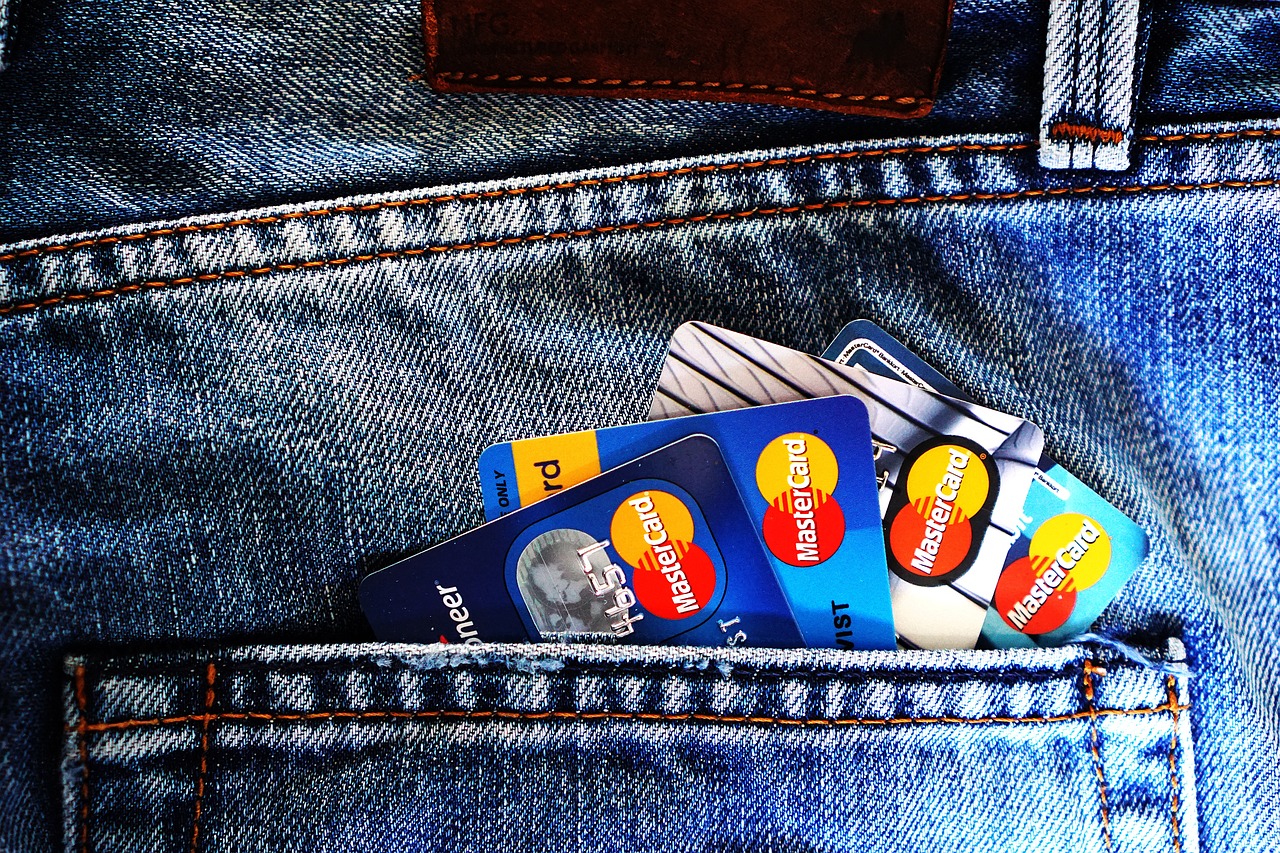
Credit cards are often talked about as either dangerous or essential, depending on who you ask. In reality, they’re just tools.
Used well, they can protect your spending and help your credit history. Used badly, they can quietly become expensive.
The problem is that many people get a credit card before they really understand how it works. That’s not a failure. It’s how credit cards are sold.
This guide explains the basics of credit cards in plain English, how they work in practice, and how to use one without it causing stress or debt.
What a credit card actually is
A credit card lets you borrow money from a lender to make purchases, up to an agreed limit.
Instead of paying immediately, you receive a statement at the end of each billing period showing:
- What you’ve spent
- Any fees or interest
- The minimum amount you need to pay
- The date payment is due
If you pay the full balance by the due date, you usually avoid interest. If you don’t, interest is added to what you owe.
That timing difference is what makes credit cards useful and risky at the same time.
How credit card interest works
Credit card interest is charged daily, not monthly.
If you carry a balance:
- Interest is calculated on what you owe each day
- The longer the balance remains, the more it costs
- Paying only the minimum extends the debt significantly
This is why credit cards are best treated as short-term borrowing unless you’re on a promotional deal like 0% interest.
The key parts of a credit card explained
Understanding a few core terms makes everything else clearer.
Credit limit
This is the maximum amount you can borrow at any one time. Using most of your limit regularly can affect your credit score, even if you pay on time.
Statement balance
The total amount you owe at the end of the billing period. Paying this in full avoids interest on purchases.
Minimum payment
The smallest amount you must pay to keep the account in good standing. Paying only this reduces debt very slowly.
APR
The annual percentage rate shows how expensive borrowing is over a year. It matters most if you carry a balance.
Payment due date
Miss this and you may be charged fees, interest, and see damage to your credit file.
How credit cards differ from debit cards
Debit cards spend money you already have. Credit cards spend money you borrow.
The main differences are:
- Credit cards offer stronger purchase protection
- Debit cards take money immediately
- Credit cards can affect your credit history
For large or online purchases, credit cards often offer better consumer protection in the UK.
When using a credit card makes sense
Credit cards can be useful in specific situations.
Examples include:
- Large purchases where protection matters
- Online shopping
- Short-term cash flow smoothing
- Building or improving credit history
They work best when you already have a plan for paying the balance off.
When credit cards cause problems
Credit cards become risky when they’re used to fill ongoing gaps in income.
Warning signs include:
- Relying on credit for everyday essentials
- Only paying the minimum most months
- Using one card to pay off another
- Feeling unsure what you actually owe
If any of these sound familiar, it’s usually a sign to pause and reassess.
How to use a credit card safely
Using a credit card safely doesn’t require complex rules.
A few simple habits help:
- Pay the full balance whenever possible
- Set up a direct debit for at least the minimum
- Check statements regularly
- Keep spending within a level you can clear comfortably
Treating a credit card like delayed debit rather than extra income keeps it manageable.
Credit utilisation and why it matters
Credit utilisation is how much of your available credit you’re using.
For example:
- A £2,000 limit with a £1,600 balance equals 80% utilisation
- Lower utilisation generally looks healthier on your credit file
Keeping balances well below your limit, even temporarily, can help your credit score.
0% interest cards explained
0% cards can be helpful, but they’re not free money.
They usually apply to:
- Purchases
- Balance transfers
- Or both, for a limited time
What matters is the end date. Any balance left after the offer ends usually starts attracting interest at the standard rate.
Using these cards works best with a clear repayment plan.
Fees to watch out for
Not all credit card costs come from interest.
Common fees include:
- Late payment fees
- Cash withdrawal charges
- Foreign transaction fees
- Balance transfer fees
Knowing these in advance helps avoid surprises.
How credit cards affect your credit score
Credit cards influence your credit file in several ways:
- Payment history
- Credit utilisation
- Account age
- Number of credit applications
Used consistently and sensibly, they can support a healthy credit profile. Used inconsistently, they can do the opposite.
Should you have more than one credit card?
There’s no universal answer to this question as we’re all different.
Some people manage multiple cards well for:
- Different spending types
- Promotional offers
- Emergency backup
Others prefer one card to reduce mental load. The best option is the one you can manage confidently.
What to consider before applying for a credit card
Before applying, it’s worth checking:
- Your eligibility
- The type of card you actually need
- Whether you can clear the balance if plans change
Applying for cards you’re unlikely to be accepted for can harm your credit file.
Common misunderstandings about credit cards
One common misunderstanding is thinking a credit card is extra money. It isn’t. It’s delayed payment.
Another is assuming rewards or cashback offset interest costs. In reality, rewards are small compared to interest charges when balances aren’t cleared.
A simple way to decide how a credit card fits your finances
Before using a credit card regularly, it helps to ask:
- Will I usually pay this off in full?
- Am I using it for convenience or necessity?
- Do I have a plan if spending is higher than expected?
- Does this card simplify or complicate my finances?
Clear answers make credit cards much easier to manage.
