

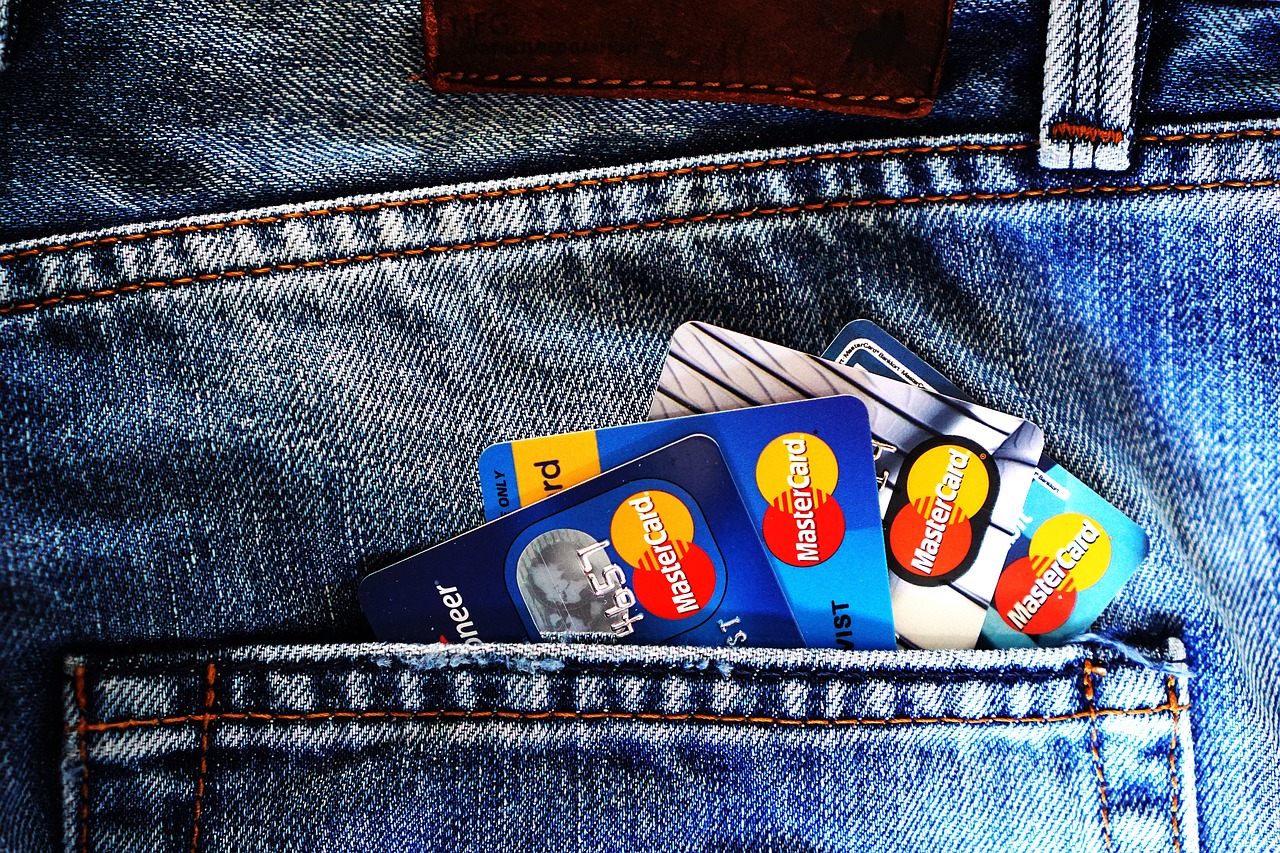
Have you ever heard the term ‘stoozing’? I hadn’t either until a little while ago. It’s apparently the name given to using zero percent finance as a source of borrowing.
Stoozing is the latest in the current need to name everything rather than describe it.
Many of us would just call this ‘using 0% credit cards for cheap borrowing’ but nowadays everything must have a name. Even if it’s a nonsense name.
So back to the topic at hand.
Stoozing.
What is stoozing?
Stoozing is using 0% finance as cheap borrowing. Most of the time, that means 0% credit cards, as those are the most widely available.
You can stooze by:
Using a 0% purchase card to fund spending, while putting aside the equivalent amount into a savings account to earn interest.
Using a 0% balance transfer card to move debt and pay it down faster without interest.
If you have access to other types of finance, it can mean that too.
As it’s mainly credit cards we can use right now, let’s concentrate on those.
You can use 0% credit cards either to transfer balances from other cards or to buy things you need.
For the former, you’ll need a 0% balance transfer credit card. For the latter you’ll need a 0% purchase credit card.
They may sound the same but they are very different types of cards!
Is stoozing a good idea?
Yes, if:
- You’re debt-free (other than stoozing balances)
- You’re disciplined with payments and reminders
- You have a high enough credit score to get the best cards
- You don’t need a mortgage or loan soon
If those conditions apply, stoozing can be a clever way to borrow cheaply and even earn a little on the side.

0% balance transfer credit card
A 0% balance transfer credit card enables you to move debt from other cards. You’d use this if you have balances charging interest.
Moving them onto a 0% card means:
- You avoid interest charges for the promotional period
- More of your payments go to clearing the balance
- You can get debt-free faster if you’re disciplined
Be aware: most cards charge a transfer fee (typically 2–4%), so factor that into your calculations.
0% purchase credit card
A 0% purchase card gives you a set period where purchases don’t incur interest. This can be 3, 6, 12 or even 24 months.
You can stooze by:
- Spending on the card (for normal, planned expenses)
- Putting the same amount into a savings account
- Paying off the card in full before the 0% ends
If done right, the interest earned in savings is your “profit”.

Stoozing using a 0% balance transfer credit card
Stoozing using a 0% balance transfer credit card is very straightforward but does require willpower.
It’s a great way to clear credit cards without paying interest and is ideal for those with a significant balance on their cards.
It goes a little something like this:
- Open a 0% balance transfer credit card
- Note when the 0% period ends and set a reminder for a month before
- Transfer all your credit card debt to the 0% card
- Pay off any existing credit card debt if you have any left over
- Pay off your 0% credit card as quickly as you can
- Open another 0% balance transfer credit card if you still have debt to pay off
- Rinse and repeat until you’re debt free
That’s basically how to stooze using a 0% balance transfer credit card.
Transfer all your other credit card debts that charge interest to the 0% card, pay off anything that’s left over and then pay off the 0% card.
Try not to spend anything while you’re doing this and definitely don’t spend on the 0% card as you’ll be charged interest!
Stoozing using a 0% purchase credit card
Stoozing using a 0% purchase credit card is much simpler to do. All you need to do is plan when you’re going to be making purchases on the card.
- Find a 0% purchase credit card with the longest interest free period
- Set a reminder for just before that period ends
- Set up minimum payments to service the card
- Use the card for purchases throughout that period
- Put the equivalent of what you spent into a savings account
- Pay off the card just before the 0% period ends using those savings
Again, using a 0% purchase credit card requires willpower. Otherwise, it’s a very simple process.
Only spend what you would need to spend and send the equivalent payment into an interest paying savings account.
Set a reminder for just before that interest free period ends and pay off the balance with savings.
Hopefully you would have made a little money from savings interest and not paid an interest on what you borrowed.
Stoozing using other methods
The current climate has meant there are very few interest free finance options around right now.
However, when things change, you can stooze using interest free finance for anything. You can use it for cars, kitchens, technology and any big ticket item you might buy.
As long as you would have bought it anyway, using interest free finance is a great way to use someone else’s money to earn a little for yourself.
Remember to send the equivalent amount to an interest-paying savings account until the interest free period is almost over and you may have earned a little extra cash.
Why stoozing makes sense now
For a while, savings rates were so low that stoozing wasn’t worth the effort. But as of 2025, UK savings accounts are paying 4–6% on easy-access and fixed deals.
That means there’s genuine potential to earn on money you’d be spending anyway.
Example: Spend £5,000 on a 0% purchase card and put £5,000 in a savings account at 5%. Over 12 months you could make around £250 in interest, tax-free if within your Personal Savings Allowance.
What to watch out for if you plan on stoozing
Stoozing is largely a low risk form of borrowing without paying the high rates of interest charged on cards.
There are a couple of things to look out for though.
The dreaded ‘up to’ clause
You’ll notice credit cards use ‘up to’ a lot in their marketing. Credit limit ‘up to’ £10,000 or ‘up to’ 24 months interest free.
To be fair to the card providers, they must put that caveat there as they don’t know your credit history or score.
If they offered everyone the same benefits it would increase their risk exponentially, so they don’t.
Even if a card says ‘up to’ £10,000 credit limit, you might not get that. The same for the 0% purchase period.
This can cause issues if you have a lot of credit card debt as you may not get the kind of limit you need to make this work.
I would recommend checking eligibility before applying and making the best of what you can find.
Your credit score
Stoozing means accumulating debt. Even if it’s 0% debt, it’s still debt. It will count as that on your credit score too, which will likely have a negative impact.
The amount of debt you have is part of what makes up your score. Future lenders will see that you owe a lot and may be hesitant about offering more credit.
There is no marker for stoozing. All future lenders will see is a lot of credit card debt.
If you’re planning to get a mortgage or large loan anytime soon, consider carefully whether it’s a good idea or not.
Alternatives to stoozing
If you don’t want the admin:
- Cashback credit cards offer simple, ongoing rewards
- Regular savings accounts or ISAs grow your money without risk
- Budgeting techniques like cash stuffing or using supermarket loyalty cards can also put money back in your pocket
Tools and resources to help
- MoneySavingExpert eligibility checker
- Stoozing calculators (e.g. stoozing.com)
- Savings comparison tools to find the best interest rate
Is stoozing a good idea or not?
Is stoozing a good idea or not? I would say yes, if you manage it properly, are disciplined about paying it off and you time everything right, stoozing is a good idea.
I personally think 0% balance transfer stoozing works best, but all methods can work.
If you have significant credit card debt, 0% balance transfer stoozing is a simple way to pay less interest and more off what you owe, which pays off your debt faster.
That must be a good idea, right?
Stoozing FAQs
1. Is stoozing legal and safe?
Yes. It’s simply a strategy of using 0% deals smartly. Credit card companies expect people to use them, though they rely on many not paying in full. The key risk is personal discipline, not legality.
2. How much money can you realistically make?
That depends on how much credit you can access and where you put the money. For example, £3,000 at 5% for a year = £150. Scale it up, and the returns rise, but so does the risk to your credit profile.
3. Will stoozing hurt my credit score?
It can. High balances affect your credit utilisation ratio, which forms part of your credit score. Even though it’s 0% debt, lenders may see it as risk. This is especially important if you’re planning to apply for a mortgage.
4. What happens if I miss a payment?
You’ll lose the 0% deal immediately, start paying interest (often 20%+ APR), and may get a late payment marker on your credit file. That wipes out any profit you might have made.
5. Is stoozing still worth it in 2025?
Yes, more so than in recent years, because savings rates are higher. But you must be organised, disciplined, and financially stable. If you’re juggling other debts, it’s better to focus on repaying those first.
