

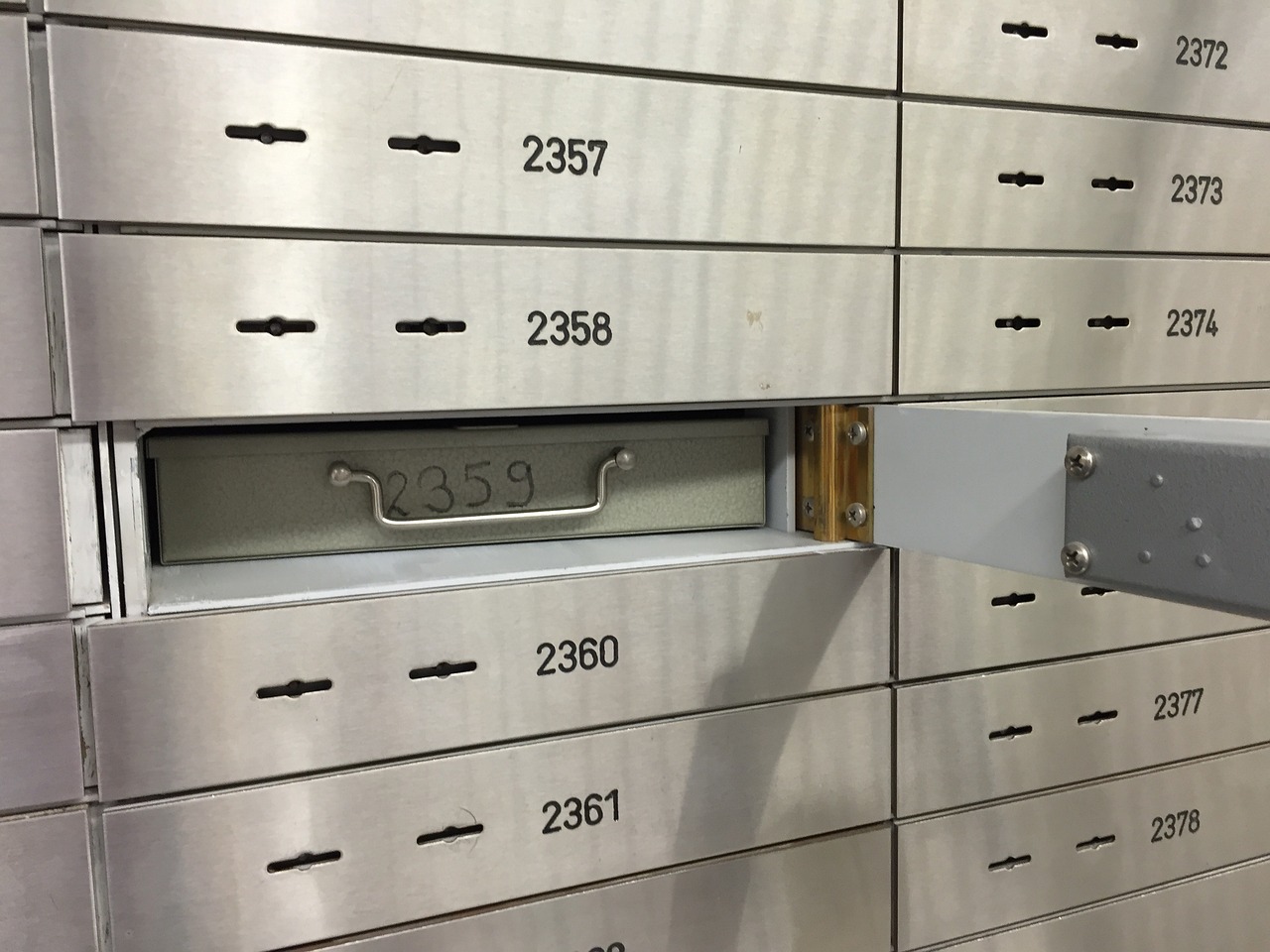
When you put money in a bank, you’re trusting that it will still be there when you need it.
For most people, that trust is assumed rather than understood, which is why news about bank failures, financial crises, or economic uncertainty can feel unsettling.
This guide explains, in plain terms, how safe your money really is in a UK bank, what protections exist, where the limits are, and how to think about risk without panic.
The aim is clarity, not reassurance for its own sake.
What actually happens to your money when it’s in a bank
When you deposit money into a bank, it doesn’t sit in a vault with your name on it. The bank uses most of it to lend to other customers and businesses.
So when the government says we’re saving too much money and it isn’t helping the economy, it’s completely untrue.
You’re helping everyday people and small businesses borrow money to get on with their lives.
While stocks and shares do have more of an economic impact, ordinary saving helps too.
That lending activity is how banks make money.
In return, you receive:
- Access to your funds on demand or with notice
- Interest, in some cases
- Protection through the UK banking system
This setup works because not everyone needs their money at the same time and because banks are regulated to manage risk.
Understanding this basic structure helps explain both why banks can fail and why protections exist.
How UK bank protection works if a bank fails
In the UK, bank deposits are protected by the Financial Services Compensation Scheme, often shortened to FSCS.
The key points are:
- Up to £120,000 per person, per authorised banking group, is protected
- This applies to cash held in current accounts, savings accounts, and some fixed-term accounts
- If a bank fails, the FSCS aims to return protected money quickly, often within days
This means that even if a bank collapses, most people don’t lose their savings.
The protection isn’t based on the account type alone but on the banking group behind it, which matters if you hold multiple accounts.
What happens if you have more than £85,000 saved
If you have more than £120,000 with one banking group, the amount above that limit isn’t protected by the FSCS.
That doesn’t mean it will definitely be lost, but it does mean it’s exposed to risk if the bank fails.
You can reduce risk by:
- Spreading money across different banking groups
- Temporarily holding larger balances only when necessary
- Using protection-aware savings strategies
There are also temporary high balance protections in certain life situations, such as receiving money from a house sale, inheritance, or insurance payout, which can offer higher protection for a limited time.
Are some banks safer than others?
All UK banks and building societies that offer FSCS protection must meet regulatory standards.
However, they don’t all carry the same level of risk.
Factors that influence perceived stability include:
- Size and diversification
- Funding sources
- Business model
Larger, established institutions are often seen as more stable, but smaller banks are not automatically unsafe.
What matters most is whether the institution is authorised and covered by the FSCS.
Chasing higher interest rates without checking protection status is one of the most common avoidable risks.
Is keeping money in the bank completely risk-free?
No place to store money is completely risk-free, including banks.
The main risks to be aware of are:
- Inflation reducing the real value of savings
- Balances exceeding protection limits
- Access restrictions on certain accounts
These risks are different from the risk of outright loss. For most people, bank savings are about stability and access, not growth.
Understanding that trade-off helps set realistic expectations.
When it makes sense to spread your money around
You don’t need multiple bank accounts just for the sake of it, but spreading money can reduce risk in specific situations.
It often makes sense when:
- Your savings exceed £120,000
- You’re holding a large balance temporarily
- You want to separate money by purpose
Common misunderstandings about bank safety
Many people assume their money is protected without limits or that all accounts at different brands are separate. Neither is always true.
Common misunderstandings include:
- Thinking each account has its own £120,000 protection
- Assuming a well-known brand guarantees safety
- Believing interest rate size reflects risk
Clearing up these assumptions removes unnecessary worry and helps you make calmer decisions.
A simple way to think about bank safety
For everyday saving, UK banks are one of the safest places to hold cash. The protection system is designed so that most people never lose money, even when banks fail.
The sensible approach is to:
- Check FSCS coverage
- Stay within protection limits where possible
- Understand the purpose of your savings
You don’t need to predict financial crises or constantly move money around. A basic awareness of how protection works is usually enough.
Confidence from understanding
Worry about bank safety often comes from not knowing where the real risks are.
Once you understand how protection works and where the limits sit, the uncertainty drops sharply.
For most households, keeping money in a UK bank is a reasonable, low-risk choice. The key is not blind trust, but informed confidence.
