

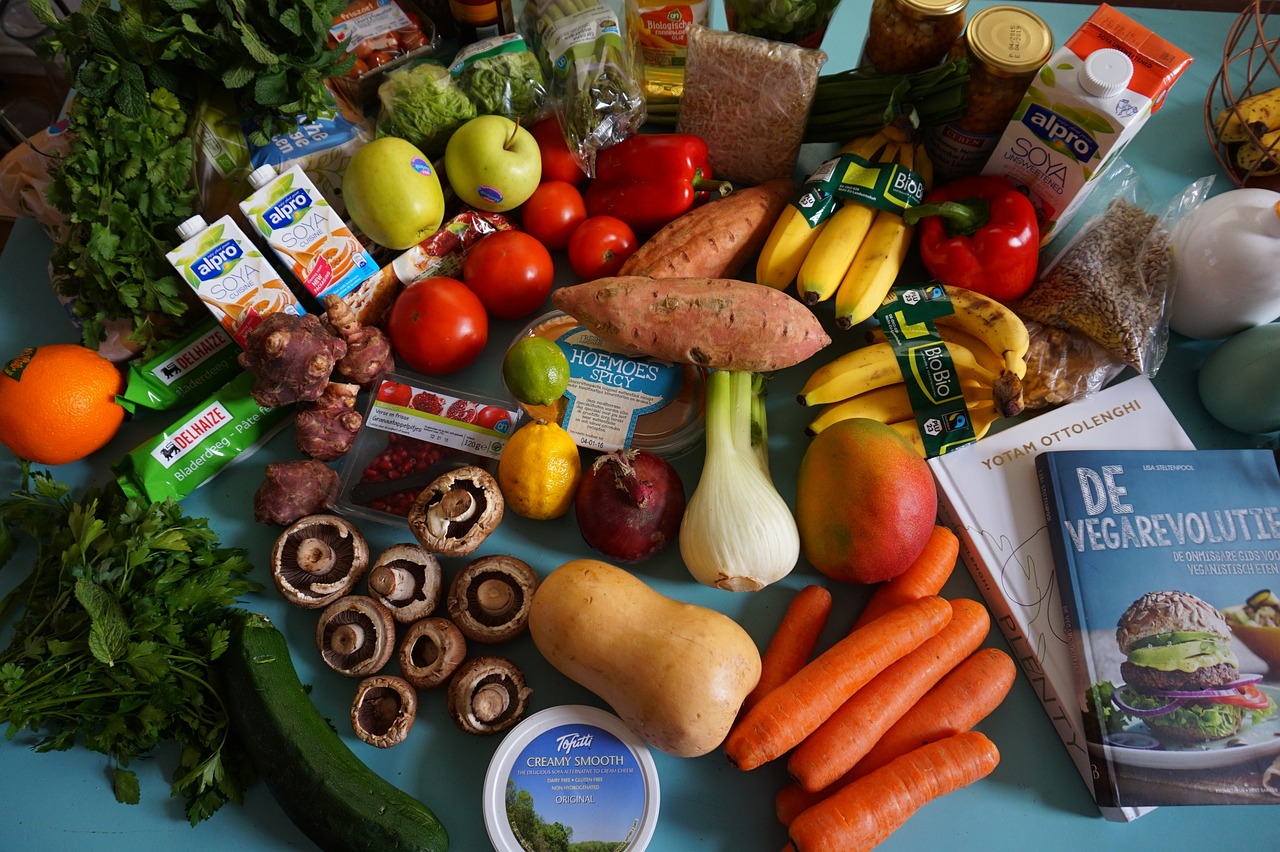
The weekly food shop has quietly become one of the hardest household costs to control.
Prices creep up, portion sizes shrink and even a small top-up can end up costing more than expected.
Most people aren’t overspending because they’re careless. They’re overspending because food shopping decisions happen fast, when we’re often tired and usually under time pressure.
This guide focuses on simple, realistic ways to reduce your food bill without extreme couponing, complicated systems, or eating food you don’t actually enjoy.
Why food shopping feels more expensive than ever
Food inflation hasn’t just pushed prices up. It’s changed how shopping feels.
You’re dealing with:
- Fewer obvious budget options
- More own-brand tiers with confusing price gaps
- Smaller packs that look cheaper but cost more per unit
- Promotions designed to encourage buying more, not spending less
Saving money now depends less on effort and more on making a few calmer, better-timed decisions.
Start with how you shop, not where you shop
Switching supermarkets can help, but it’s not always the biggest win. How you shop usually matters more than where you shop.
Small changes to planning, timing and habits tend to beat chasing deals across multiple stores.
Before changing shops, manage the basics.
Use supermarket apps for planning not shopping
Most people open supermarket apps while they’re already in the shop. By then, the decisions are emotional and rushed.
A better approach is to use apps earlier in the week to:
- Check prices on items you buy regularly
- See which staples are genuinely cheaper this week
- Adjust your meal plan before writing your list
This shifts decision-making out of the aisle, where impulse spending happens and into a calmer moment at home.
Plan fewer meals, not perfect ones
Meal planning works best when it leaves room for real life.
Instead of planning every meal, plan:
- Four or five main meals
- One or two “use what’s left” nights
- One or two default, low-effort meals for busy days
Overplanning is one of the biggest causes of food waste. Flexibility saves more money than perfection.
Build your list from the fridge, not your head
Shopping lists made from memory tend to grow.
Before writing your list:
- Check the fridge, freezer, and cupboards
- Note what needs using soon
- Build meals around what you already have
This simple step reduces duplicate buying, especially with sauces, snacks and frozen food that pile up when you’re not paying attention.
Pay attention to price per unit, not shelf price
Shelf prices are designed to catch your eye. Unit prices tell the truth.
Smaller packs often look cheaper but cost more per gram or litre.
This is especially common with:
- Cheese
- Meat
- Yoghurts
- Ready meals
- Crisps and sweets
You don’t always need the biggest pack, but checking unit prices helps avoid accidental overspending.
Be selective with multi-buy offers
Multi-buy deals still exist, but they’re rarely as generous as they look.
Before buying, ask one question: Would I have bought this if it wasn’t on offer?
If the answer is no, it’s probably not saving you money.
Multi-buys only work when they replace spending, not when they add to it.
Treat yellow sticker food as flexible meals, not bargains
Reduced food only saves money if it gets eaten.
A practical approach is to:
- Buy reduced items you can use within 24 hours or freeze
- Treat them as replacements for planned meals, not extras
- Skip reduced items with no clear plan on how to use them
Buying cheap food that ends up wasted isn’t a saving. Structure matters more than price.
Swap brands where it actually matters
Not all brand swaps feel equal.
Many people are happy switching to own-brand for:
- Tinned goods
- Pasta, rice, and grains
- Baking ingredients
- Frozen vegetables
Other items, like tea, coffee, or specific sauces, may not be worth the compromise. Targeting easy wins avoids burnout.
Shop less often if you can
Frequent shops usually mean higher spending.
Each trip increases the chance of:
- Impulse buys
- Forgotten items being rebought
- “While I’m here” extras
If possible, aim for one main shop a week, with a small top-up only when genuinely needed. Fewer visits usually mean a lower overall bill.
Split your shop by purpose, not by loyalty
Instead of thinking “I shop at one supermarket”, it can help to think in terms of purpose:
- One main shop for staples
- Occasional fresh top-ups
- Avoiding full shops at convenience stores
This reflects how people actually shop and helps reduce the most expensive, reactive purchases.
Use loyalty schemes deliberately, not automatically
Loyalty cards can save money, but only when used with intent.
They’re most useful for:
- Member prices on items you already buy
- Personalised discounts you’d use anyway
- Planned purchases rather than spontaneous ones
They’re less helpful when they nudge you into buying things just because they’re discounted.
Be cautious with bulk buying unless storage is realistic
Bulk buying only saves money if it fits your home and habits.
It works best when:
- You have space to store items properly
- You won’t forget they exist
- You’ll use them before quality drops
Buying in bulk without a clear plan often leads to waste, not savings.
Watch for shrinkflation on regular buys
Shrinkflation is still more common than it should be and manufacturers and supermarkets still think we’re too busy to notice.
If a product seems to run out faster than usual, check:
- Weight or volume
- Number of portions
- Unit price compared to older packs
Sometimes switching brand or size restores value without increasing spend.
Plus, voting with your wallet is the only way to make them pay attention!
Track one week of food waste, not spending
Instead of tracking every penny, try tracking waste for one week.
Note:
- What gets thrown away
- What goes unused
- What gets replaced unnecessarily
This often reveals quick wins that reduce spending without changing what you eat.
Keep a realistic food budget
Food budgets work best when they’re honest.
Aim for:
- A weekly average you can stick to
- Flexibility for busy or social weeks
- Regular reviews instead of rigid limits
A budget that bends slightly is more useful than one that breaks every month.
Why small changes matter more than big sacrifices
Cutting out everything you enjoy rarely lasts.
Saving £5 to £10 a week through small, repeatable changes can reduce your annual food spend by hundreds of pounds, without making shopping feel miserable.
Consistency beats intensity every time.
How to get started this week
Pick one change:
- Use a supermarket app to plan, not browse
- Plan one extra “use what’s left” meal
- Swap one branded staple
- Track waste for one week
Build from there. Food savings work best when they build up over time.
Final thoughts on saving on your food shop in 2025
The cheapest food shop isn’t always the smartest one. The goal is to spend less without adding stress or wasting food.
Saving on groceries is less about hunting bargains and more about avoiding small leaks that add up.
A few calmer, more deliberate habits can make a noticeable difference, week after week, without turning food shopping into a full-time job.
